

The Championship rewards defensive organisation more than most leagues. The 46-match grind, fixture congestion, and physical intensity mean teams that concede fewer goals often outperform expectations regardless of attacking limitations. For bettors, identifying genuinely defensive teams and understanding how to bet on them creates repeatable opportunities in under markets, clean sheet bets, and related selections. This guide profiles Championship defensive approaches, explains how to identify defensive specialists, and provides betting strategies tailored to low-scoring matchups.
Why Defence Matters More in the Championship
The Championship’s structure makes defensive resilience more valuable than in shorter competitions. Across 46 matches, a team that concedes 40 goals versus 60 goals gains an enormous advantage regardless of whether they score 50 or 70. The goal differential mathematics favour keeping them out over putting them in.
Fixture congestion amplifies defensive importance. When teams play three matches in seven days, attacking sharpness deteriorates faster than defensive organisation. A well-drilled defence can maintain its shape even when tired; attacking improvisation requires freshness that congested schedules don’t allow.
The physical nature of Championship football suits defensive approaches. More aerial duels, more tackles, and more direct play characterise the division compared to technically-focused top flights. Teams built to win physical battles and defend their box thrive in this environment.
Budget constraints for most Championship clubs mean defensive solidity is more achievable than attacking excellence. Organising a defence requires coaching and discipline; creating attacking quality requires expensive players. Mid-budget clubs can build excellent defences more easily than excellent attacks.
Identifying Genuinely Defensive Teams
Goals conceded per game provides the headline defensive measure, but context matters. A team conceding 0.9 goals per game against weak opposition differs from one conceding 0.9 against strong opponents. Weight defensive records by opponent quality to identify genuine defensive excellence.
Expected goals against (xGA) reveals whether teams are defending well through organisation or merely benefiting from opponent profligacy. A team whose xGA is 1.2 but actual goals against is 0.8 is experiencing favourable finishing variance that’s unlikely to persist. A team whose xGA is 0.9 and actual goals against is 0.9 is defending sustainably well.
Clean sheet percentage indicates match-level defensive reliability. A team might average 1.0 goals conceded through five 0-0 matches and five 2-0 losses, or through ten 1-0 losses. The first scenario produces 50% clean sheets; the second produces 0%. For betting on clean sheet markets, this distinction matters enormously.
Shot quality allowed matters more than shot volume allowed. A team facing 15 shots of 0.05 xG each is defending far better than one facing 8 shots of 0.15 xG each, even though the first team allows more attempts. Forcing opponents into low-quality shooting positions through defensive structure indicates sustainable defensive quality.
Defensive Playing Styles and Their Betting Implications
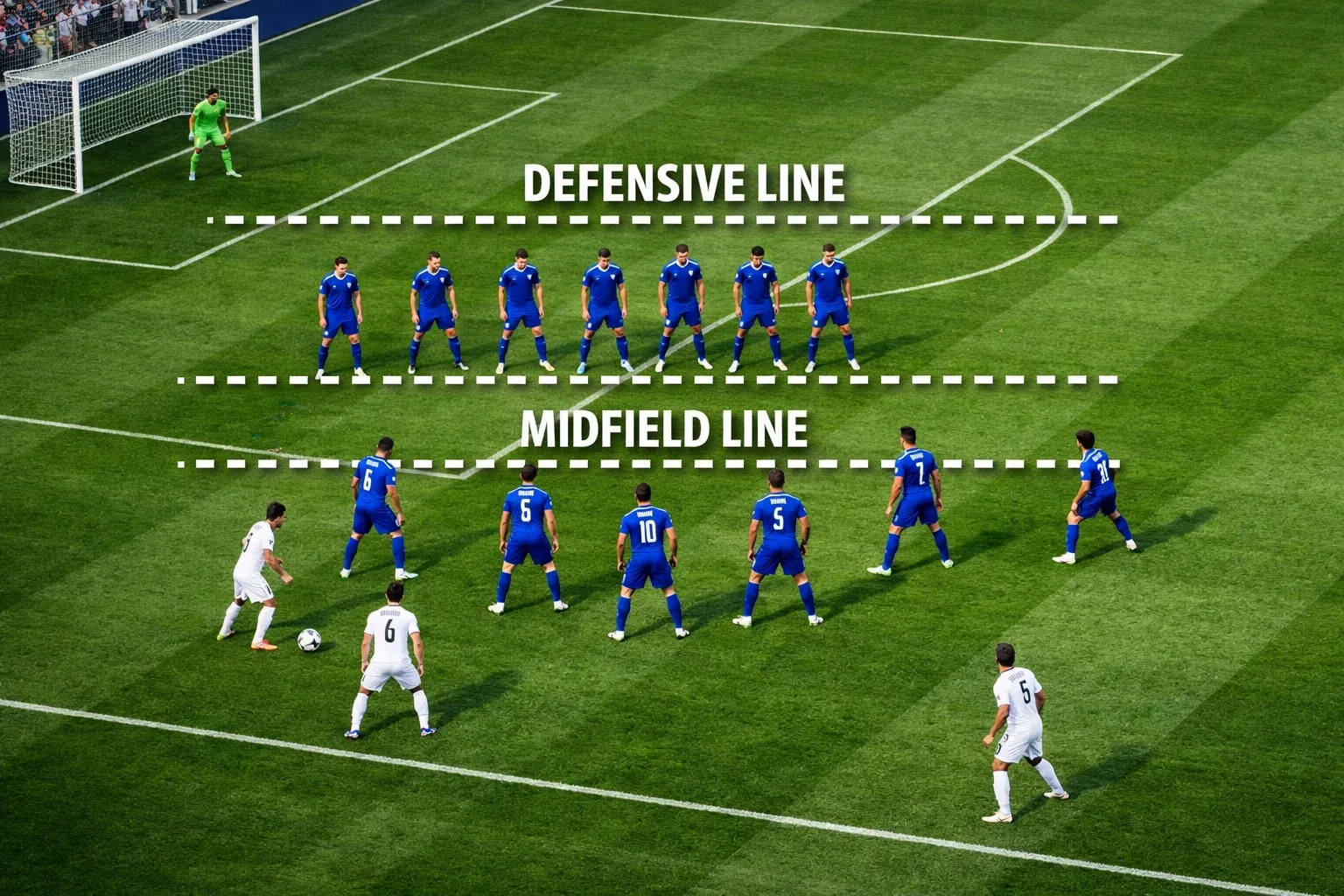
Low-block teams defend deep, ceding territory while protecting their penalty area. These sides often produce low xG figures both for and against, creating conditions where under markets offer consistent value. When two low-block teams meet, under 1.5 becomes a serious consideration alongside standard under 2.5.
Mid-block teams balance defensive solidity with some pressing. They typically produce moderate xG figures in both directions, making betting approaches more context-dependent. Against low-quality opposition, they might dominate; against high-quality opposition, they might struggle. Their matches require specific analysis rather than blanket under backing.
High-pressing teams sacrifice defensive compactness for attacking pressure. When the press works, they create turnovers in dangerous areas; when it fails, they leave space behind. These teams produce higher xG figures in both directions and typically don’t suit systematic under backing despite individual matches potentially staying low.
Set piece defensive quality deserves specific attention. Some teams are excellent at open-play defence but vulnerable from corners and free kicks. Championship football features frequent set pieces; weakness in this area elevates goal concession probability regardless of open-play defensive quality.
Matchup Analysis for Low-Scoring Predictions
The most reliable low-scoring predictions come from matches involving two genuinely defensive teams. When neither side prioritises attacking or creates quality chances, goals become unlikely. Identifying such matchups and backing unders systematically generates consistent returns.
Defensive team versus weak attacking team creates asymmetric matchups suited to home win and under combinations. The defensive side often wins 1-0 or 2-0, producing under 2.5 results while still covering match result bets. These combinations offer enhanced odds while remaining likely outcomes.
Defensive team versus strong attacking team creates uncertainty that affects betting approach. Strong attacks can break down defensive systems, but defensive teams can also frustrate quality opponents. Under betting becomes riskier; alternative approaches like backing the underdog or draw merit consideration.
Derby matches involving defensive teams often produce tighter scorelines than quality differentials suggest. Local rivalry intensity creates caution; fear of losing exceeds desire to win. Historical derby patterns should inform predictions alongside current form.
Under Market Strategies for Defensive Team Matches
Under 2.5 goals represents the standard under market, hitting when total goals are zero, one, or two. For matches involving genuinely defensive teams, this market frequently offers value when odds exceed approximately 1.75. Track your hit rate over substantial samples to confirm edge exists.
Under 1.5 goals requires both teams to fail scoring or only one team to score once. This market offers higher odds but lower hit rates. For matches between two defensive teams with weak attacks, under 1.5 sometimes offers better value than under 2.5 despite the increased difficulty.
Under 0.5 goals (0-0 correct score) requires total defensive dominance. This outcome is rare enough that systematic betting rarely succeeds. However, specific matchups between ultra-defensive sides with attacking limitations occasionally justify speculative stakes at high odds.
First half under 0.5 goals represents matches goalless at half-time. Defensive teams, particularly away from home, often produce cautious first halves regardless of eventual match outcome. This market offers quicker settlement and sometimes better value than full-match unders.
Adopt a solid in play strategy.
Clean Sheet Betting Approaches
Clean sheet markets pay out when a team concedes zero goals. Defensive teams naturally suit this market, but value depends on pricing. If a team keeps clean sheets 40% of the time but is priced at 30% implied probability, value exists. If they’re priced at 50% implied probability, no value exists despite their defensive quality.
Home clean sheets provide more reliable returns than away clean sheets for most defensive teams. Home advantages compound defensive organisation, producing higher clean sheet rates at home. Focus clean sheet betting on home matches unless the team demonstrates exceptional away defensive quality.

Both teams not to score (BTTS-No) represents either team keeping a clean sheet. This market is easier to hit than specific team clean sheets and often offers acceptable odds. For matches involving at least one genuinely defensive team, BTTS-No frequently provides value.
Win to nil combines clean sheet with team victory. This market requires defensive excellence plus attacking sufficiency, making it harder to hit than clean sheet alone. Reserve this market for strong defensive teams facing weak opposition where 1-0 or 2-0 victories are realistic.
Practical Implementation
Build a watchlist of Championship teams with defensive profiles. Track their statistics throughout the season, noting when defensive form strengthens or weakens. This ongoing monitoring enables informed betting rather than relying on outdated assessments.
Calculate value explicitly rather than backing every under in matches involving defensive teams. Convert your probability estimate to fair odds; compare against bookmaker prices; bet only when genuine edge exists. Systematic value betting outperforms blanket under backing.
Consider timing of defensive team matches. Midweek fixtures, particularly away from home, often produce more defensive approaches from all teams. Defensive specialists playing away on Tuesday nights offer particularly strong under potential.
Stake conservatively on individual selections while maintaining volume across multiple matches. Defensive team under betting provides thin but consistent edge; capturing that edge requires spreading stakes across many opportunities rather than concentrating on single matches.
Common Mistakes to Avoid
Don’t assume all defensive teams offer under value. Some defensive teams’ matches regularly exceed 2.5 goals because they attack effectively themselves or because their defensive approach creates counter-attacking opportunities. Analyse both directions of goal probability.
Don’t ignore opposition quality. A defensive team facing elite attacking opposition might concede despite their organisation. Context matters more than blanket assumptions about team style.
Don’t overweight recent results at the expense of underlying quality. A defensive team that conceded three goals last match might have faced exceptional circumstances unlikely to recur. Maintain confidence in genuine defensive quality through individual poor results.
Don’t chase steam moves when defensive team matches are identified by wider markets. If under odds shorten significantly before kickoff, the value might have disappeared. Bet at prices that represent genuine value, not at whatever price is available.
Championship defensive teams offer consistent betting value for those who understand how to identify them and when to back them. The division’s characteristics favour defensive football; bettors who recognise this and specialise in defensive team analysis can build profitable approaches that remain effective across multiple seasons.
Compare highly profitable odds at burnley bet.