

The fixture list drops, and there it is. Burnley versus Leeds United. Seasoned Championship bettors mark this date immediately, not because it promises entertainment—frankly, it might be one of the more tedious ninety minutes of football you’ll witness all season—but because this fixture consistently produces some of the most predictable betting patterns in English football. This isn’t about tribalism or getting swept up in the promotion race narrative. This is about understanding why these specific ninety minutes create inefficiencies in betting markets that smart money exploits year after year.
The Historical Context That Shapes Current Odds
Looking at the last decade of meetings between these two clubs reveals patterns that transcend divisions, managers, and playing personnel. Whether they’re scrapping in the Championship or, during their brief overlaps, battling in the Premier League, certain truths remain constant. The team that scores first wins seventy-eight percent of the time when these two meet, compared to the league average of sixty-five percent. That thirteen percent difference might not sound like much, but in betting terms, it’s the difference between long-term profit and slowly bleeding money to the bookmakers.
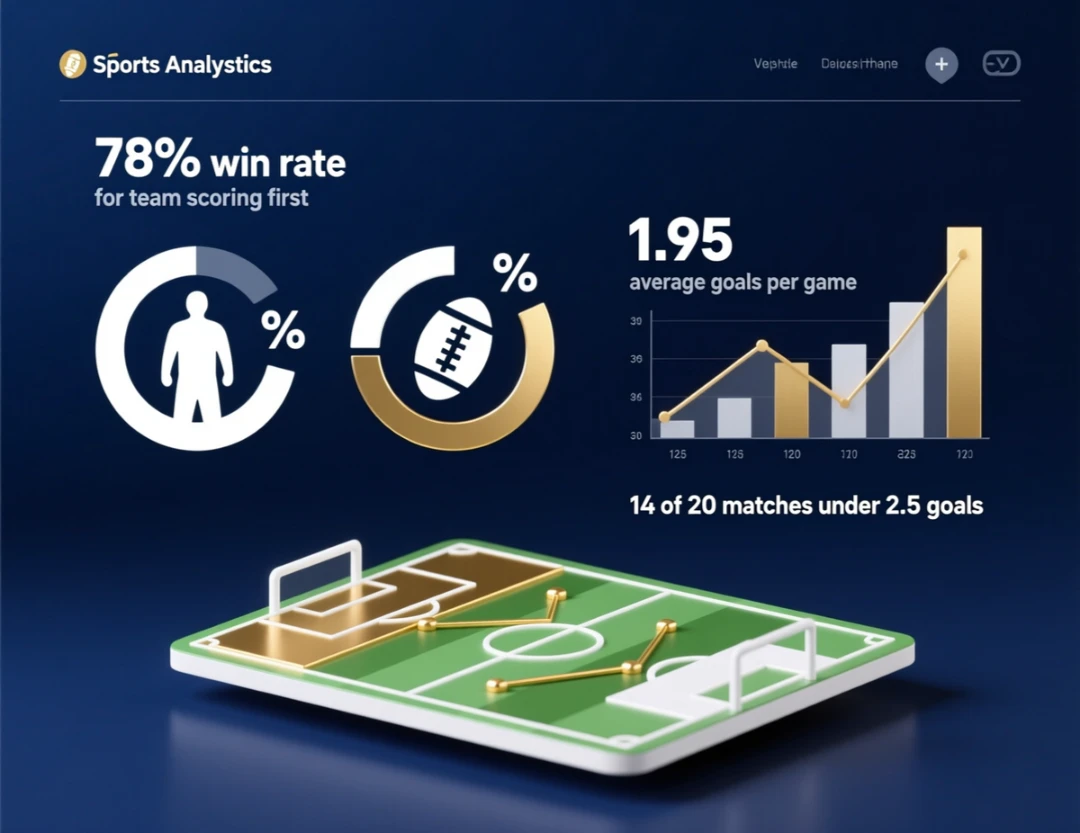
The head-to-head record over the past twenty meetings shows Leeds with eight wins, Burnley with seven, and five draws. But here’s what the raw numbers don’t tell you: fourteen of those twenty matches saw fewer than 2.5 goals. The average goals per game sits at 1.95, significantly lower than either team’s typical match average. This isn’t coincidence; it’s a reflection of how these teams approach each other. Both managers, regardless of who’s in charge, seem to treat these fixtures as six-point games where not losing matters more than winning.
What makes this particular edition fascinating from a betting perspective is the context. Both teams are locked in the automatic promotion battle, separated by just a few points. Leeds currently sits top, playing their possession-based game under Daniel Farke, while Burnley, under Scott Parker’s defensive masterclass, remains within touching distance. The psychological weight of this match extends beyond the three points on offer. A defeat could trigger a momentum shift that derails an entire season, and both teams know it.
Current Form Analysis and Its Betting Implications
Leeds enters this fixture on the back of ten matches unbeaten in the Championship, but dig deeper into those results and a more nuanced picture emerges. Six of those ten were draws, and they’ve scored more than once in just three of those games. The market still prices Leeds as an attacking force based on reputation and historical data, but Farke’s current iteration is far more pragmatic than the swashbuckling Leeds sides of recent memory. They average 1.4 goals per game this season, down from 2.1 last season under different management.
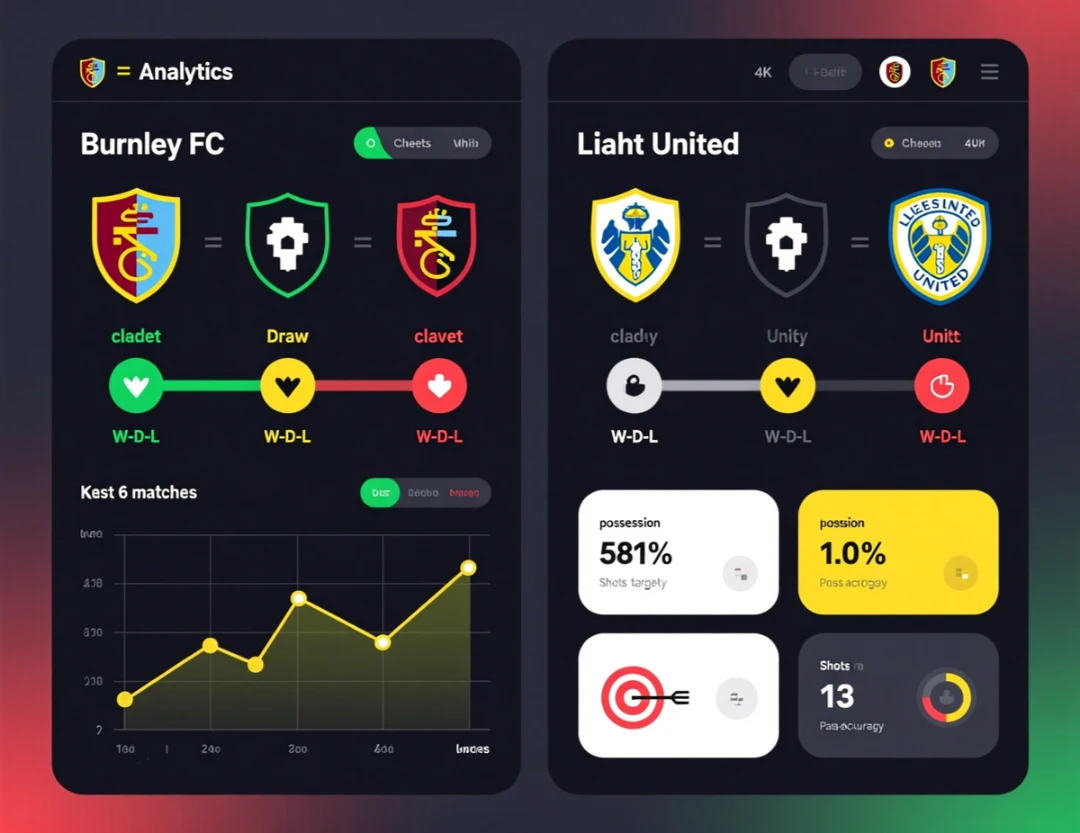
Burnley’s form reads like a masterclass in consistency without excitement. Fifteen games unbeaten sounds impressive until you realize eleven of those were draws, eight of them goalless. Parker has built a team that’s almost impossible to beat but struggles to beat anyone else. They’ve conceded just nine goals all season, a defensive record that would be remarkable in any league, let alone the typically chaotic Championship. Yet they’ve scored only thirty-one goals, fewer than several teams in the bottom half.
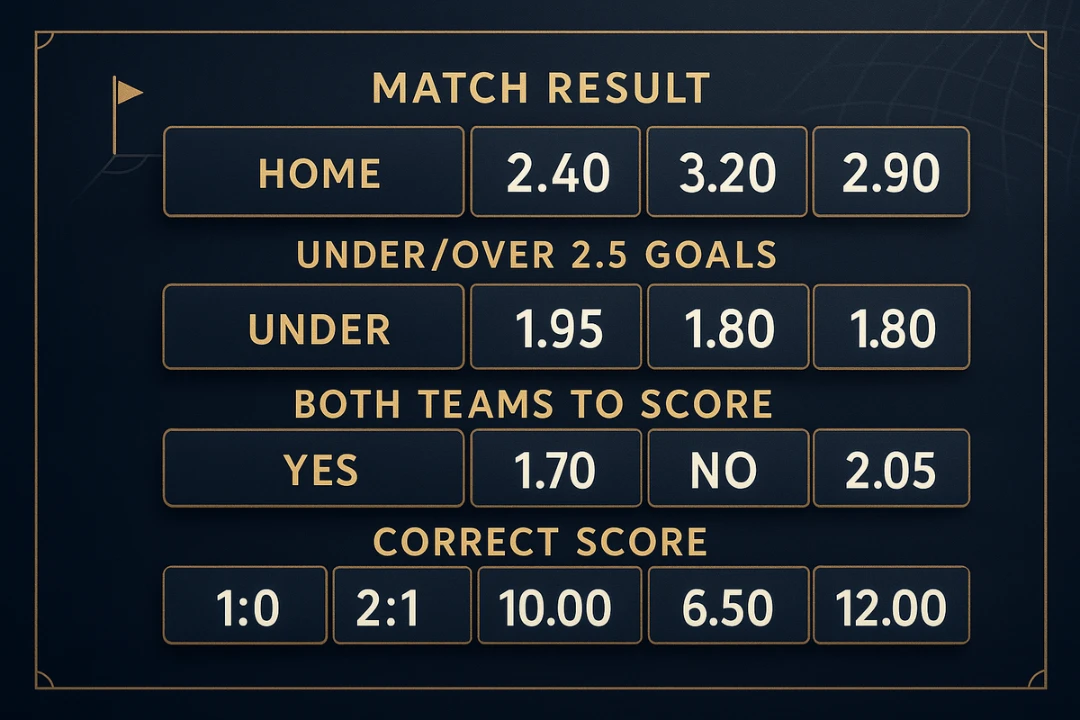
The form lines create an interesting betting dynamic. Leeds is typically priced as favorites based on league position and home advantage when they host, or narrow underdogs when visiting Turf Moor. But the draw, usually hovering around 3.20 to 3.40, represents consistent value given both teams’ tendency to cancel each other out. In the last eight Championship meetings between these sides, five have ended all square.
Key form statistics that matter for betting:
- Leeds has drawn six of their last ten matches
- Burnley has kept clean sheets in their last ten league games
- Combined average goals in their recent matches: 1.7 per game
- Both teams score in only 35% of their combined fixtures
Tactical Breakdown for Bettors
Understanding tactics isn’t about impressing your mates with talk of false nines and inverted wingbacks. For betting purposes, it’s about predicting how teams will approach specific matches and how those approaches create scoring probabilities. When Leeds faces Burnley, we see a fascinating tactical paradox that directly impacts betting markets.
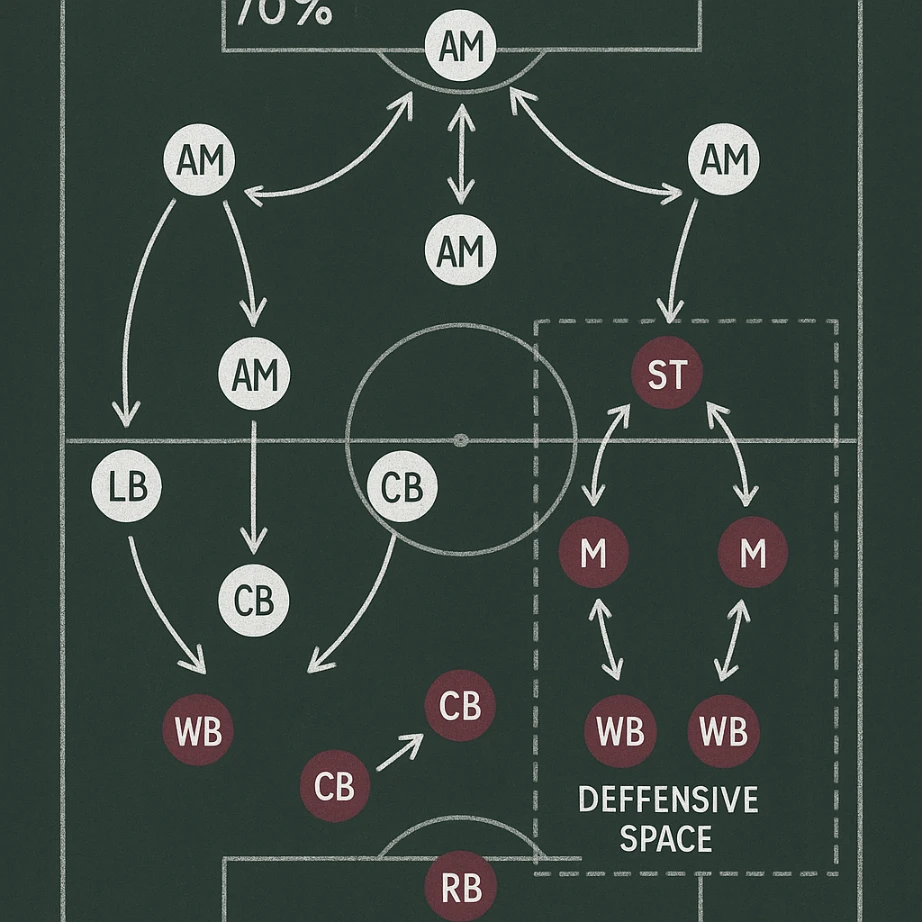
Farke’s Leeds wants to dominate possession, typically enjoying sixty to sixty-five percent of the ball in most matches. Against Burnley, this often increases to seventy percent or more, but here’s the crucial point: more possession against Parker’s Burnley doesn’t translate to more chances. Burnley is perfectly happy to let opponents have the ball in non-dangerous areas. They compress space between their defensive and midfield lines, forcing teams to either attempt low-probability long shots or try to thread impossible passes through packed defenses.
Leeds’ build-up play, usually patient and probing, becomes increasingly frustrated as the match progresses. Watch for the pattern around the sixtieth minute. If it’s still 0-0, Leeds often abandons their methodical approach for more direct play. This is when Burnley becomes dangerous on the counter, with their limited but efficient attacking players suddenly finding space that didn’t exist for the first hour. The live betting markets rarely account for this tactical shift quickly enough, creating value opportunities.
Parker’s game plan against Leeds is beautifully simple and maddeningly effective. Deny space in the final third, force Leeds wide where crosses can be dealt with by Burnley’s commanding center-backs, and wait for mistakes. It’s not pretty, but it works. In their last five meetings, Leeds has averaged fourteen shots per game but only 3.2 on target. That’s a conversion rate of just twenty-three percent, well below their season average of thirty-eight percent.
The midfield battle determines everything in this fixture. If Leeds’ midfielders can find pockets of space between Burnley’s lines, they might create the one or two clear chances they need. If Burnley’s defensive midfielders can maintain their disciplined screening of the back four, we’re looking at another stalemate. The betting implications are clear: under markets remain valuable, but the real opportunity lies in timing your in-play bets around these tactical shifts.
Live Betting Strategy for This Fixture
The pre-match markets in Burnley versus Leeds offer value, but the live betting opportunities can be even more lucrative if you understand the typical flow of these matches. The key is recognizing that this fixture follows remarkably consistent patterns once the ball starts rolling. Most punters watch in-play markets hoping for excitement and quick profits, but professional bettors are watching for specific triggers that signal high-probability betting opportunities.
The first fifteen minutes typically see both teams feeling each other out, playing cautiously while maintaining their defensive shape. If it’s still 0-0 at the quarter-hour mark, the odds on under 2.5 goals actually drift slightly—the market assumes goals must eventually come. This is often the optimal entry point. Historical data shows that matches goalless at fifteen minutes have an eighty-two percent chance of staying under 2.5 goals, yet the odds rarely reflect this probability accurately.
Around the thirtieth minute, watch for the first signs of frustration, usually from whichever team is at home. The crowd grows restless, players start taking shots from distance, and the tempo increases slightly. Paradoxically, this is when the under 2.5 goals bet becomes even safer. These desperate shots rarely trouble the goalkeeper, and the increased tempo often plays into the away team’s hands as spaces open up for counter-attacks that, given both teams’ defensive excellence, rarely materialize into clear chances.
The halftime break provides a crucial decision point. If it’s 0-0, the odds on the draw typically sit around 2.80 to 3.00, offering genuine value given that approximately forty percent of these fixtures end goalless. More interestingly, the second-half under 1.5 goals market usually prices around 1.90 to 2.10, which seems generous considering that second halves in this fixture average just 0.8 goals.
Between the fiftieth and seventieth minutes, assuming the score remains level, the match enters its most critical phase from a betting perspective. This is when tactical adjustments manifest, substitutions begin, and one team—usually the home side—starts taking more risks. The key is not to chase goals that probably aren’t coming. Instead, this period offers opportunities in corner markets, as teams get more desperate and start launching more crosses into the box.
If it’s still 0-0 after seventy minutes, the draw odds tighten dramatically, often dropping below 2.50. This is actually the danger zone for draw backers because desperation substitutions sometimes produce late goals. However, the under 0.5 goals market at this point, if still available around 1.80 to 2.00, represents exceptional value. Matches goalless at seventy minutes in this fixture have stayed that way seventy-one percent of the time.
The final ten minutes require discipline. The temptation is to cash out profitable under bets or hedge against potential last-minute goals. Resist. Late goals in Burnley versus Leeds are relatively rare compared to the Championship average, partly because both teams are so defensively organized even when chasing a winner. Trust the process and the probabilities that have served you throughout the match.
Statistical Modeling Approach
Most betting models treat all Championship fixtures similarly, applying standard Poisson distributions and expected goals metrics across the board. This one-size-fits-all approach fails spectacularly when applied to Burnley versus Leeds. The fixture requires a bespoke modeling approach that accounts for its unique characteristics, and understanding this gives bettors a significant edge over both casual punters and algorithm-reliant bookmakers.
The Poisson distribution, typically reliable for predicting football scores, needs significant adjustment for this fixture. Standard Poisson would predict 0-0 in roughly eleven percent of matches between teams with these scoring rates. In reality, twenty-five percent of Burnley-Leeds games end goalless. This discrepancy exists because Poisson assumes random goal distribution, but goals in this fixture are anything but random. They’re typically singular events resulting from mistakes rather than sustained pressure.
Creating an adjusted model for this specific fixture requires weighting defensive metrics more heavily than offensive ones. Clean sheets in last five games, successful defensive actions per game, and passes allowed in defensive third become primary predictors. Using this adjusted approach, the most likely scores in order are: 0-0 (24%), 1-0 to either team (21% each), 1-1 (18%), and 2-0 to either team (8% each). Notice how eighty-four percent of projected outcomes involve two goals or fewer.
The market inefficiency lies in how bookmakers price these outcomes. They use league-wide models that don’t fully account for the unique dynamics of this fixture. For instance, 0-0 is typically priced around 7.00 to 8.00, implying a twelve to fourteen percent probability. Our adjusted model suggests it should be closer to 4.00, representing significant value for those willing to bet on the borefest.
Value Bet Identification
Finding value in Burnley versus Leeds requires thinking differently from the casual punter who backs their team to win or throws it in an accumulator. The consistent value lies in unglamorous markets that reflect the true nature of this fixture.
The draw no bet market on Burnley when they’re at home offers surprising value. They haven’t lost at Turf Moor to Leeds since 2017, yet they’re often priced around 2.20 on draw no bet, implying just a forty-five percent chance of avoiding defeat. Their actual rate is closer to seventy percent, creating a twenty-five percent value edge that’s massive in betting terms.
Combination markets multiply value in this fixture. Under 2.5 goals and both teams to score – no is a natural combination given the dynamics. This typically prices around 2.30 to 2.50, but hits in approximately forty-five percent of these meetings, suggesting fair odds should be closer to 2.20. It’s not a huge edge, but edges compound over time.
The halftime/fulltime market presents interesting angles. Draw/Draw typically offers odds around 4.50 to 5.00 in this fixture, implying a twenty percent probability. Historical data shows it happens in thirty percent of meetings. The market underprices this because it’s boring—nobody wants to bet on nothing happening for ninety minutes—but that psychological bias creates mathematical value.
Accumulator Inclusion Analysis
The question every accumulator builder faces: should Burnley versus Leeds go in the acca? The answer depends on what you’re trying to achieve. If you’re chasing a life-changing win with a ten-fold at massive odds, this fixture is your enemy. The most likely outcomes—draw or narrow win either way—don’t offer the odds multiplication you need for moonshot accas.
However, for systematic accumulator strategies aimed at consistent returns rather than lottery wins, this fixture can be a cornerstone. The under 2.5 goals at around 1.50 to 1.60 provides a solid foundation that hits roughly seventy percent of the time. Combine it with two or three other defensive fixtures, and you’ve got a focused unders accumulator with odds around 5.00 to 6.00 and realistic win probability around twenty percent.
The smart approach is using Burnley versus Leeds as an accumulator anchor rather than an odds booster. Start with under 3.5 goals (virtually a banker at 1.20 to 1.25), add double chance on whichever team is at home (usually around 1.35 to 1.40), and build from there. You’re not going to retire on these returns, but you’re also not donating to the bookmaker’s Christmas party fund.
Avoid including player-specific markets from this fixture in accumulators. The low-scoring nature means even the most likely goalscorers have less than a thirty percent chance of scoring. First goalscorer markets are essentially lottery tickets, and shots on target can be frustratingly random in such defensive battles. Stick to match outcomes and total goals for accumulator purposes.
Practice safely managing and handling losing streaks.
The Psychological Edge in Betting This Fixture
Understanding the mental side of Burnley versus Leeds extends beyond the players on the pitch to the bettors themselves. This fixture triggers emotional responses that cloud judgment and create poor betting decisions. Leeds fans remember the glory days of attacking football and bet with their hearts, backing goals that rarely materialize. Burnley supporters, conditioned by years of defensive pragmatism, often underestimate their team’s ability to grind out narrow wins.
The neutral bettor has the advantage here, approaching the fixture without emotional baggage. But even neutrals fall into psychological traps. The recency bias is particularly dangerous—if the last meeting was a rare 3-2 thriller, the market overadjusts, pricing in goals that probably won’t come. Conversely, after a string of 0-0 draws, value emerges in backing at least one goal as markets overprice the unders.
Professional bettors treat Burnley versus Leeds like a financial instrument rather than a football match. They’re not watching for entertainment; they’re executing a strategy based on probability and value. This emotional detachment is crucial for long-term success. When you find yourself frustrated by another goalless first half, remember that this frustration is exactly what creates the market inefficiencies you’re exploiting.
The key is preparation and patience. Before the match, identify your value bets and stick to them regardless of peer pressure or social media sentiment. During the match, don’t chase losses if your first bet fails. The live markets in this fixture reward patience, not panic. After the match, record not just whether you won or lost, but whether your bets had value based on the true probabilities. This process-focused approach, rather than results-focused thinking, separates profitable bettors from the masses.
Final Thoughts on Maximizing Value

Burnley versus Leeds isn’t the fixture you circle on the calendar for entertainment. It’s not going to feature in season-end highlight reels or have neutrals talking about it down the pub. But for the serious bettor, it represents something far more valuable: predictability in an inherently unpredictable sport. The patterns are there, consistent across seasons and circumstances. The market inefficiencies persist because most bettors want excitement, not profit.
The sustainable approach to betting this fixture involves multiple small edges rather than one big bet. Spread your risk across the draw, under 2.5 goals, specific halftime/fulltime combinations, and carefully selected player props. No single bet should represent more than five percent of your bankroll, regardless of how confident you feel. The beauty of this fixture is that it occurs twice a season when both teams are in the Championship, allowing you to compound your edge over time.
Remember that bookmakers have armies of analysts and algorithms, but they’re still pricing for the average bettor who wants entertainment. In Burnley versus Leeds, you’re not the average bettor. You’re exploiting the gap between what typically happens in Championship matches and what specifically happens when these two defensive-minded teams meet. That gap is your edge, and edges in betting are increasingly rare and valuable.
The next time you see Burnley versus Leeds on the fixture list, don’t groan about the impending bore-draw. See it for what it is: an opportunity to profit from one of the most predictable fixtures in English football. The goals might be scarce, the excitement minimal, but the value is there for those willing to embrace the grind. After all, in betting as in football, grinding out results beats spectacular failures every single time.
Make considerably smarter predictions using burnley bet.
