
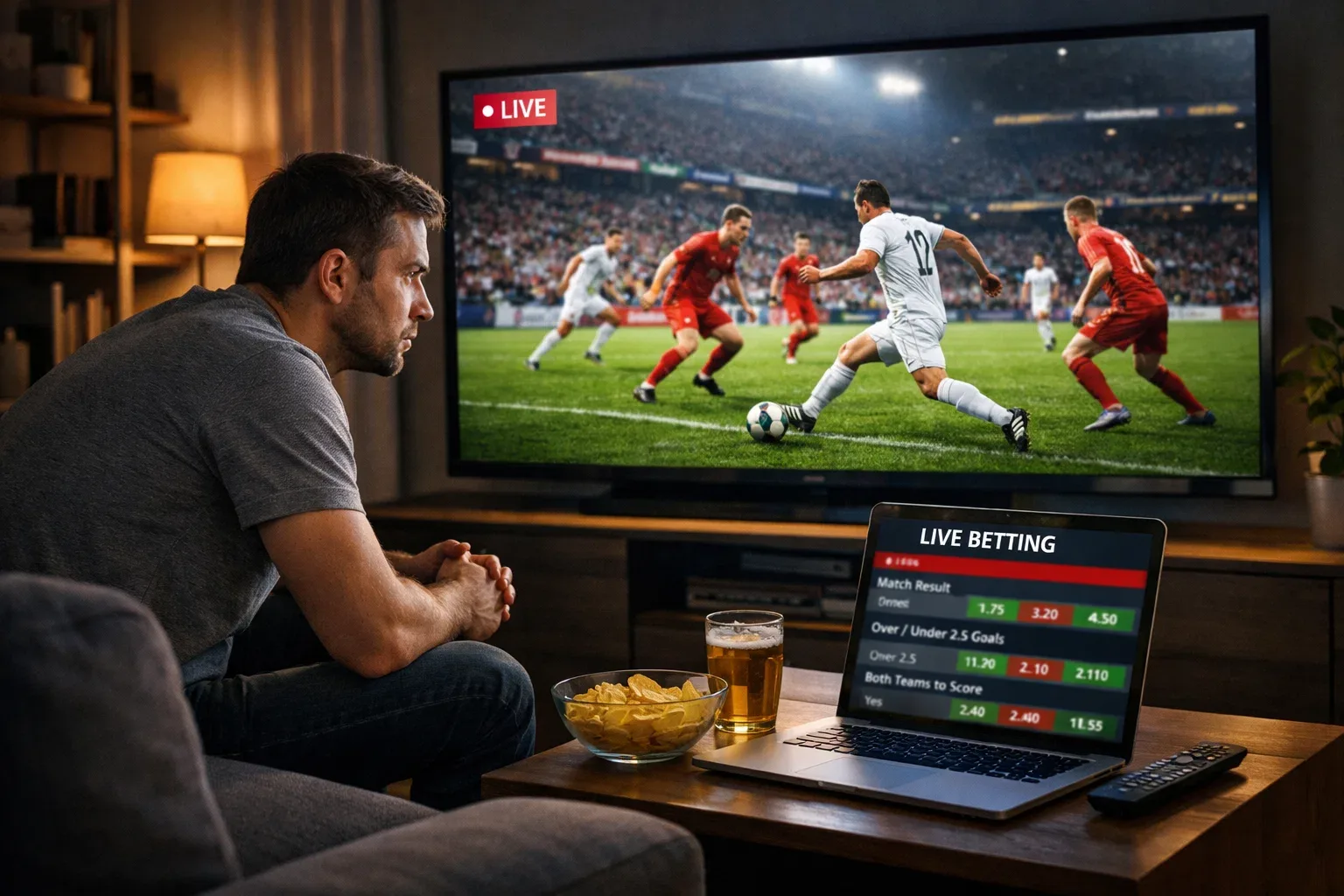
In-play betting has transformed football wagering by enabling bets throughout matches rather than only before kickoff. This continuous market creates opportunities absent from pre-match betting: odds shift based on events, information emerges during play, and strategic positions can be built, adjusted, or closed as situations develop. This guide covers live betting techniques, price movement interpretation, hedging strategies, and specific approaches for under goals markets that thrive in-play.
How In-Play Markets Work
Live betting odds update continuously based on match events and time elapsed. A goal dramatically shifts win probabilities; a red card transforms the match; even sustained pressure without goals affects prices as bookmakers interpret what they see. This responsiveness creates a dynamic market fundamentally different from static pre-match pricing.
Bookmakers employ traders who watch matches and adjust odds in real-time. Sophisticated operations use algorithms that process data feeds, updating prices within seconds of events. Less sophisticated operations rely more heavily on human judgment, creating potential lag between events and price adjustments.
In-play markets typically carry higher margins than pre-match equivalents. Bookmakers charge for the convenience and opportunity of live betting through wider spreads. This increased margin means value must be larger in-play to overcome the additional cost. Not every live betting opportunity justifies its margin.
Suspension periods occur during significant events. When a goal is scored, during penalty decisions, or when VAR intervenes, markets close temporarily. This prevents bettors from exploiting information before bookmakers can react. Understanding suspension patterns helps anticipate when betting windows will open.
Reading Price Movements
Odds movements in-play reflect three factors: time elapsed, match events, and market sentiment. Distinguishing between these factors enables more informed live betting decisions.
Time-driven movements occur even without events. As time passes, less remains for trailing teams to recover, systematically lengthening their odds. Understanding expected time decay helps identify whether price movements reflect genuine information or merely temporal adjustment.
Event-driven movements respond to goals, cards, substitutions, and other concrete developments. These movements are typically sharp and significant. A goal might transform 2.50 odds to 5.00 instantly. Trading around events requires speed that most recreational bettors cannot achieve.
Sentiment-driven movements reflect sustained pressure or dominance without concrete events. A team pinning opponents back, creating chances, and appearing likely to score will see their odds shorten even before scoring. These movements offer opportunities for those who assess match flow differently than the market.
Value Identification In-Play

Pre-match analysis provides foundation for in-play value assessment. If you assessed a team as 55% likely to win pre-match and they’re now 60% implied probability despite no goals, they might now be overpriced. Conversely, if early pressure suggests your assessment was wrong, adjusting rather than stubbornly maintaining your view proves crucial.
Match context affects probability differently than naive observers expect. A 0-0 scoreline at 60 minutes means different things depending on which team has dominated play, what tactical adjustments seem likely, and which team needs points more urgently. Surface-level observation misses these nuances.
xG accumulation during matches provides objective performance measurement. If a team has 1.8 xG but hasn’t scored, they’ve been unlucky and might deserve shorter odds than the scoreline justifies. Live xG data, available from various platforms, enables performance-based in-play assessment.
Fatigue and substitution patterns affect late-match probabilities. A team defending a lead with tired legs against fresh attacking substitutes faces different circumstances than statistics alone capture. Reading these physical dynamics improves late-match probability estimation.
Under Markets In-Play
Under goals markets offer particular in-play opportunities because time passage directly affects probability. Every goalless minute that passes increases the probability of finishing under. This relationship creates predictable price movements that strategic bettors can exploit.
Early goalless periods often see under odds remain attractive despite decreased time for goals. Markets sometimes underweight the information value of sustained 0-0 play. When two defensive teams produce fifteen goalless minutes of cautious football, under 2.5 probabilities have increased more than odds sometimes reflect.
The optimal under entry point balances elapsed time against odds available. Entering too early means accepting lower prices when plenty of time remains. Entering too late means prices have already shortened to reflect time passage. Finding the sweet spot requires judgment about each specific match’s dynamics.
Goal timing dramatically affects under market attractiveness. An early goal makes under 2.5 still achievable but less likely; under 1.5 becomes attractive only if the match then settles. Late goals can devastate under positions that seemed secure. Position sizing should reflect the vulnerability of under bets to late drama.
Hedging and Position Management
Hedging involves placing additional bets to lock in profit or limit losses regardless of final outcome. If you backed under 2.5 pre-match at 2.00 and it’s 0-0 at 60 minutes with under now 1.40, you can back over to guarantee profit whether goals arrive or not.
The hedging calculation determines whether locking in profit exceeds the expected value of maintaining your position. Sometimes maintaining full exposure offers higher expected value than hedging; other times, securing guaranteed profit is preferable. Context determines the correct choice.
Partial hedging offers a middle path. Rather than fully hedging or fully holding, reduce exposure while maintaining some upside. This approach suits situations where you believe your original position remains strong but want to reduce variance.
Cash-out features offered by bookmakers provide automatic hedging but typically at unfavourable prices. Bookmakers profit from cash-out through the spread between their offer and fair value. Manual hedging through additional bets usually produces better returns than accepting bookmaker cash-out offers.
Live Betting Techniques
Watch matches you’re betting on in-play. Audio commentary or text updates cannot capture momentum shifts, tactical changes, and physical dynamics that video reveals. If you cannot watch, your in-play betting relies on information available to everyone, eliminating any edge.
Develop systematic observation frameworks. What specifically are you looking for that might indicate value? Perhaps you assess pressing intensity, tracking how it correlates with subsequent pressure. Perhaps you evaluate injury concerns, watching for players moving gingerly. Define what you’re observing and why.
Speed matters for event-based opportunities. When a red card is shown, odds adjust within seconds. If you’re not watching live with betting account ready, others will capture any value before you can react. In-play betting rewards preparation and attention.
Avoid betting on matches where your emotional investment clouds judgment. Supporting a team while betting on their match creates conflicts that undermine rational decision-making. Either bet or support, but mixing the two typically degrades both experiences.
Market-Specific In-Play Approaches
Match result markets in-play require adjusting pre-match assessments for actual developments. Your pre-match probabilities become starting points that events and observations modify. Maintaining flexibility rather than stubbornly defending original views enables profitable in-play positioning.
Next goal markets offer discrete opportunities based on short-term match flow. If one team is pinning opponents back, their next goal probability exceeds baseline rates. These markets settle quickly, enabling multiple opportunities within single matches.
Correct score in-play becomes attractive when specific scorelines become more likely based on match development. A 0-0 after 70 minutes makes that scoreline’s probability much higher than pre-match pricing reflected. Similar logic applies to 1-0 or 1-1 after those scores are established.
Total goals in-play suits under strategies particularly well. The defined ceiling of ninety minutes creates predictable time decay that over markets don’t share. Focus under betting attention on in-play opportunities where time works consistently in your favour.
Look closely at first half under markets.
Risk Management for Live Betting
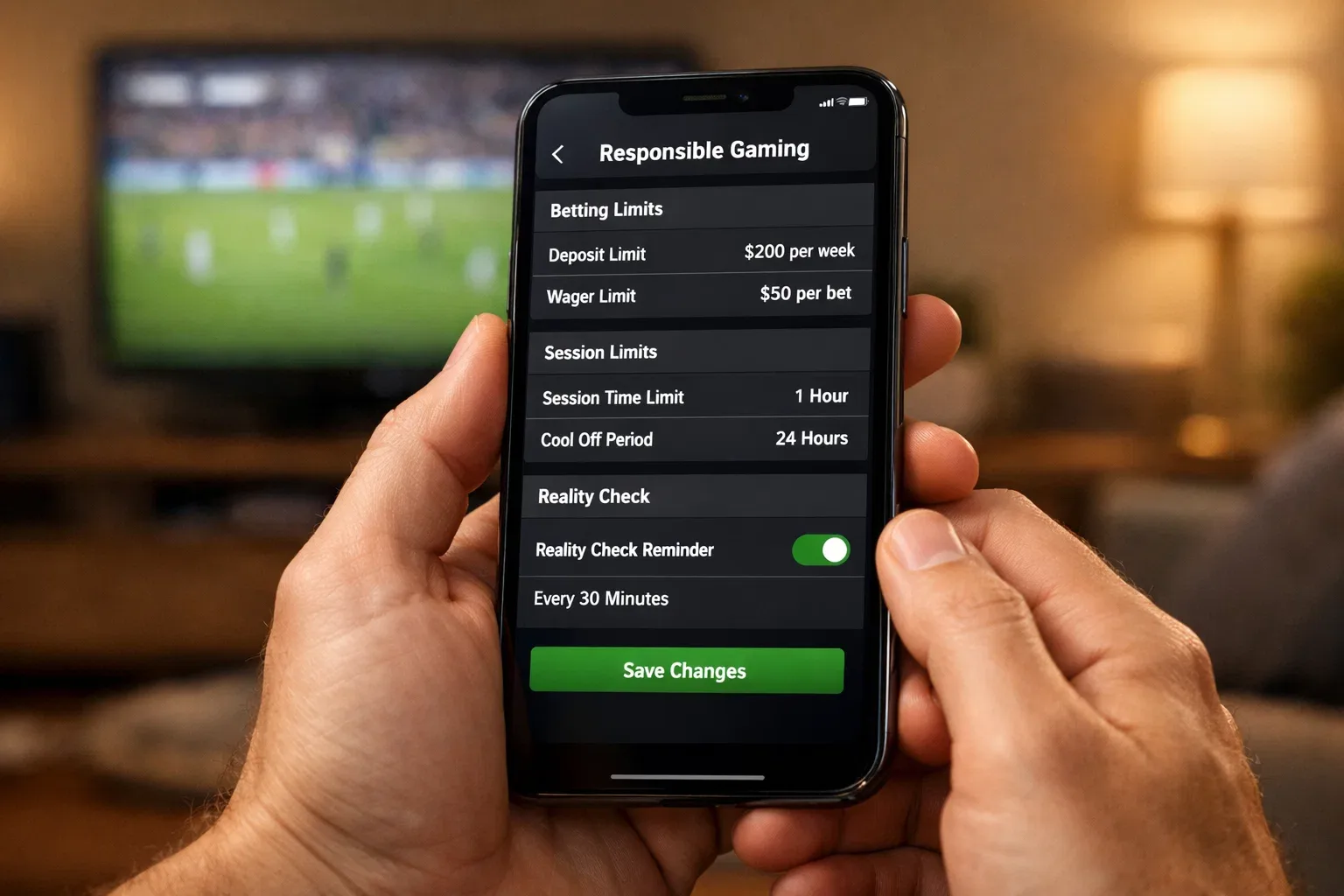
In-play betting carries enhanced emotional risks. The immediacy of matches creates excitement that can override disciplined decision-making. Establish stake limits before matches begin; don’t adjust them based on how the match unfolds.
Sequential losses during single matches can trigger tilt. Losing one in-play bet, then chasing with another, then chasing again creates spirals that damage both bankrolls and psychological wellbeing. Set per-match limits on total activity regardless of how individual bets resolve.
Connection reliability matters for live betting. If your stream delays or your betting app fails at crucial moments, you might miss opportunities or worse, be unable to close positions when needed. Ensure reliable internet and have backup devices available for serious in-play betting.
Track in-play results separately from pre-match results. Your edge might exist in one context but not the other. Empirical performance review by betting type reveals where your genuine strengths lie.
Building In-Play Expertise
Start by watching matches without betting to develop observation skills. What patterns do you notice? How do matches evolve? What signals precede significant events? Building this observational foundation before betting improves subsequent live betting quality.
Paper trade in-play opportunities before committing real money. Record what bets you would have placed, at what odds, and track theoretical results. This exercise develops skills without financial risk and reveals whether your in-play instincts have merit.
Specialise in specific match types or markets initially. Perhaps you focus on under markets in defensive matchups, or next goal markets in matches with sustained pressure. Specialisation enables depth that broad coverage prevents.
In-play betting rewards prepared, attentive, disciplined bettors who combine pre-match analysis with real-time observation. Those who approach it casually, betting impulsively based on excitement rather than assessment, will lose to the increased margins and emotional pressure. Treat in-play as an advanced technique requiring specific skills, not merely pre-match betting that continues after kickoff.
Double your typical payouts via burnley bet.