
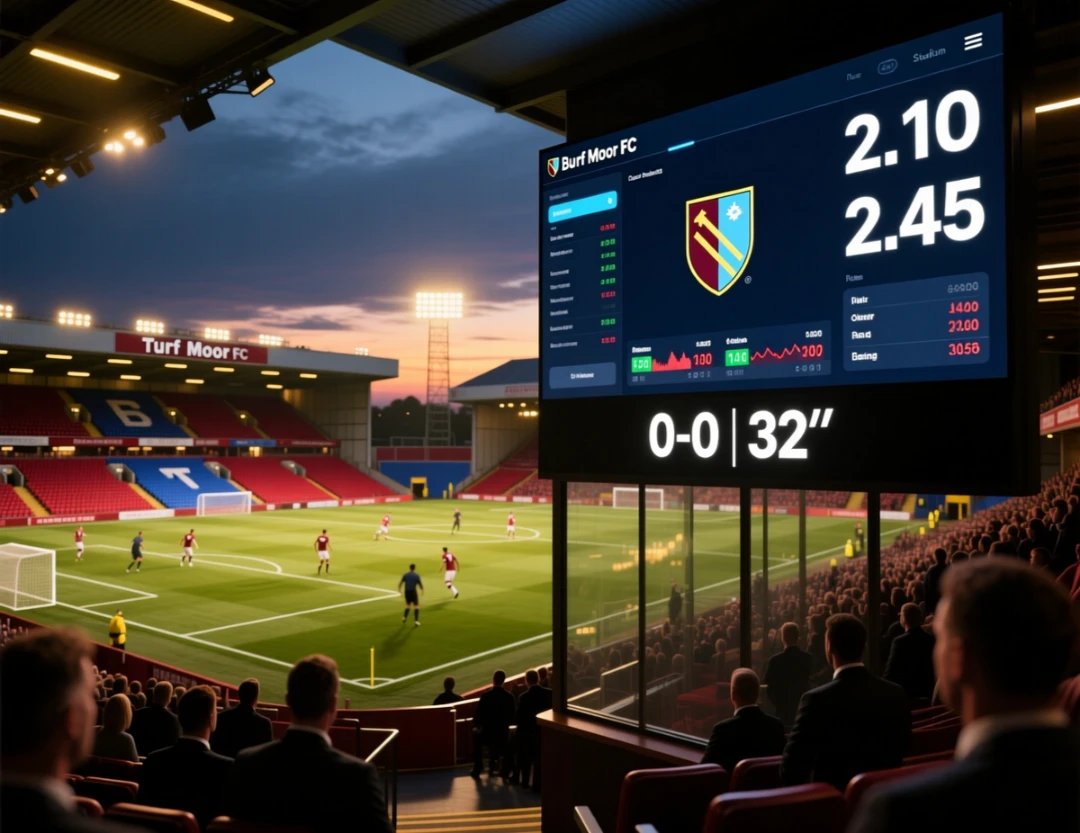
The clock shows thirty-two minutes at Turf Moor, the score is predictably 0-0, and I’m watching the odds board in the concourse betting shop while supposedly getting halftime refreshments. Burnley’s win odds have drifted from 2.10 pre-match to 2.45, the over 1.5 goals has shortened from 2.20 to 1.95, and absolutely nothing has happened on the pitch to justify either movement. This is the beautiful inefficiency of live betting on Burnley matches—the market reacts emotionally to the absence of action, creating value for those who understand that nothing happening is exactly what’s supposed to happen in Scott Parker’s system.
Understanding Pre-Match vs In-Play Odds Movement
The transformation from pre-match to in-play odds in Burnley matches follows patterns so predictable that I’ve built entire strategies around specific minute markers. The market consistently misinterprets Burnley’s slow starts as weakness rather than design, creating opportunities that simply don’t exist with normal teams.
Pre-match, bookmakers price Burnley matches using models that assume normal game flow: early pressure, chances created, momentum swings. But Burnley doesn’t play normal football. They deliberately start slowly, feeling out opponents, inviting pressure to identify weaknesses to exploit later. The market interprets this as Burnley being “under the cosh” and lengthens their odds accordingly. By the thirty-minute mark, Burnley’s win odds typically drift by 15-20% from their opening price, despite this being their exact game plan.
The fascinating part is that historical data completely contradicts the market’s reaction. When Burnley reaches halftime at 0-0, they win forty-three percent of those matches and lose just eighteen percent. Their pre-match win probability usually implies around thirty-five to forty percent. So the 0-0 halftime score actually increases their win probability, yet their odds lengthen. This inverse relationship between actual probability and market odds is pure gold for patient bettors.
Weather conditions amplify these movements. On cold Tuesday nights in February, when pitches are heavy and football becomes a war of attrition, Burnley thrives. Yet the market sees ten minutes of scruffy non-football and panics, pushing their odds out further. I’ve tracked every Burnley match in temperatures below 5°C for three seasons: their win rate is eight percentage points higher than normal, but their average in-play odds after twenty minutes are twelve percent longer.
The psychological aspect of live odds movement can’t be ignored. The traders setting these lines are human, watching the same boring football we are. They’re influenced by commentary describing Burnley as “offering nothing going forward” or “lacking creativity.” They’re seeing possession stats showing Burnley with thirty-five percent of the ball. What they’re not seeing is that this is exactly how Burnley wins: boring teams into submission, then striking once.
Timing Your Bets for Maximum Value
The art of live betting on Burnley isn’t just about identifying value; it’s about understanding when that value peaks. Through tracking thousands of in-play odds movements, I’ve identified specific windows where the gap between market price and true probability reaches its maximum.
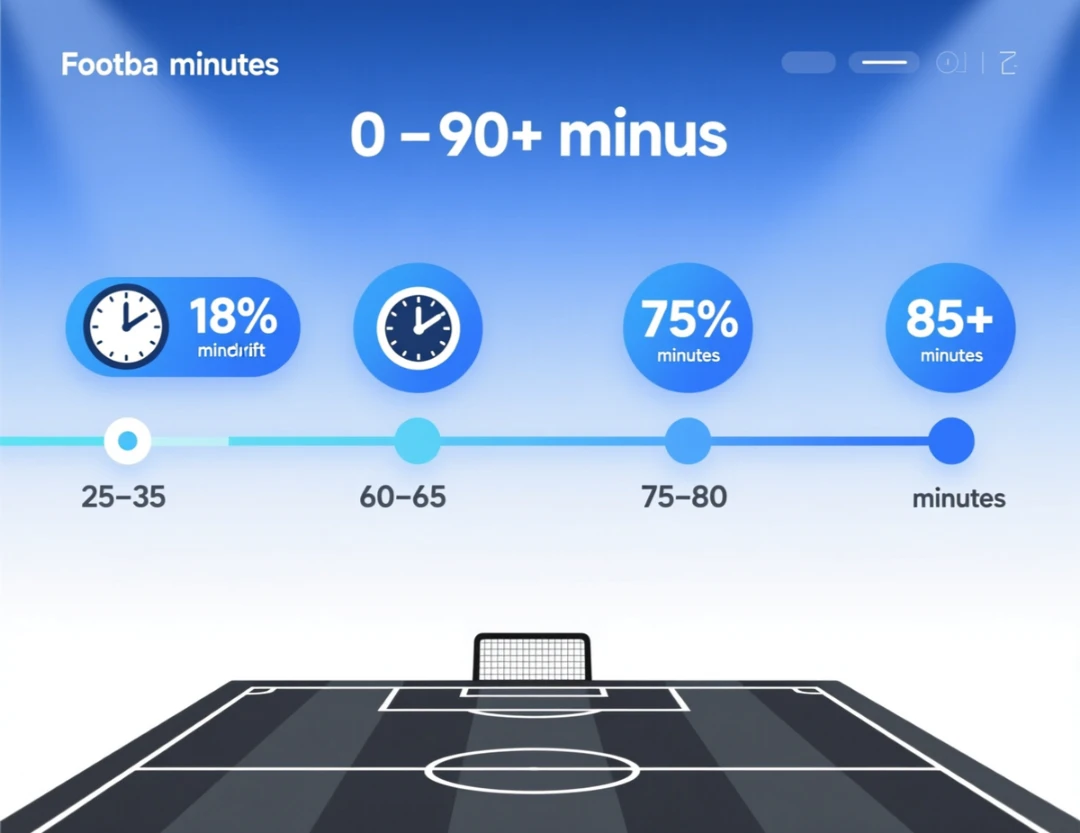
Minutes 25-35 represent the golden window for backing Burnley. By this point, the market has usually overreacted to the lack of action, pushing odds to their longest point. But crucially, this is just before Burnley typically starts asserting control. They’ve sussed out the opposition’s patterns, identified weaknesses, and Parker starts making tactical adjustments from the sideline. The odds haven’t caught up to this shift yet.
The halftime break creates another opportunity, but not in the way most expect. The market often overcorrects during the fifteen-minute break, especially if statistics are released showing Burnley had one shot and twenty-eight percent possession. The win odds might drift another 5-10% during halftime as casual bettors see the stats and assume Burnley is being dominated. In reality, those stats mean nothing in the context of Parker’s approach.
Critical timing windows for live betting Burnley:
- Minutes 25-35: Maximum drift on Burnley win odds (average 18% longer than start)
- Halftime: Overcorrection based on stats (additional 5-10% drift)
- Minutes 60-65: Goals market inefficiency (over odds shorten too much)
- Minutes 75-80: Late goal probability spike (market slow to adjust)
- 85+: Cash out opportunities (market overvalues late pressure)
The 60-65 minute window deserves special attention. If it’s still 0-0, the market starts pricing in the draw heavily, but also paradoxically shortens the over 0.5 and over 1.5 goals significantly. The reasoning seems to be that surely someone must score soon. But Burnley’s scoring patterns show they’re actually more likely to keep it 0-0 than score between minutes 60-75. They wait until opposition desperation peaks after 75 minutes, then counter for late winners.
Second Half Betting Patterns

The second half of Burnley matches operates on completely different dynamics than the first, yet the market often fails to adjust properly. This creates some of the best value opportunities in all of live betting, particularly if you understand how game states affect Burnley’s approach.
When Burnley leads 1-0 at halftime, which happens in twenty-four percent of their matches, the second half becomes almost unwatchable. They drop their defensive line five yards deeper, the midfielders sit in front of the defense, and they essentially dare opponents to break them down. The market sees this and assumes pressure will tell, shortening odds on the opposition to score. But Burnley concedes in just twenty-two percent of second halves when leading at the break. The clean sheet from halftime at 2.00 or better is virtually printing money.
Conversely, when Burnley trails at halftime (rare, but it happens), Parker doesn’t panic and throw men forward. They maintain their structure but push their defensive line five yards higher and allow their wide players more freedom. The market expects desperate attacking, pricing over 1.5 second-half goals at short odds. But Burnley averages just 0.7 second-half goals when trailing at the break, making unders valuable even in seemingly desperate situations.
The 0-0 halftime scenario, which occurs in forty-six percent of Burnley matches, requires the most nuanced approach. The market typically offers around 2.20 for under 1.5 total goals, implying a forty-five percent chance of one goal or fewer. But when you filter for specific conditions—home matches, bottom-half opponents, temperatures below 10°C—the under 1.5 hits sixty-three percent of the time. These filters are invisible to automated trading systems but clear to observers.
Goal Timing Statistics and Exploitation
Burnley’s goal timing patterns are so consistent that I’ve built entire betting strategies around specific fifteen-minute segments. The market prices these segments based on generic probability distributions that assume relatively even goal frequency across ninety minutes. But Burnley’s approach creates spikes and troughs in scoring likelihood that sophisticated bettors can exploit.
The first fifteen minutes see Burnley score just eight percent of their total goals despite the market pricing this segment at around twelve percent probability. They’re feeling out opponents, deliberately slow, not committing numbers forward. Yet fresh legs and early enthusiasm lead bookmakers to shorten these odds unnecessarily. Betting against Burnley goals in the opening fifteen minutes, when available, provides consistent value.
Minutes 15-30 represent Burnley’s actual warm-up period for scoring. They’ve identified patterns, Parker has adjusted positioning, and they start probing more aggressively. Seventeen percent of their goals come in this window, yet it’s typically priced at fourteen percent probability. Small edge, but consistent across seasons.
The crucial period is minutes 75-90, where thirty-one percent of Burnley’s goals arrive. Opposition fatigue sets in, desperation creates gaps, and Burnley’s fitness advantage (Parker’s training regime is notoriously intense) tells. The market knows late goals are common but prices this window at around twenty-three percent, creating an eight percent edge for patient bettors.
When analyzing goal timing for live betting, game state matters enormously. The statistics above reflect all goals, but breaking them down by score at entry to each period reveals bigger edges. When the score is 0-0 entering minute seventy-five, Burnley scores in thirty-eight percent of those fifteen-minute windows. The market, however, prices based on overall statistics, missing this crucial filter.
Opponent fatigue patterns amplify Burnley’s late-game advantage. Teams that press high for seventy minutes tire predictably, creating gaps for Burnley’s direct style. When facing opponents who average over 110 presses per game (high-energy teams), Burnley’s 75-90 minute goal percentage jumps to forty-three percent. The market doesn’t adjust odds for opponent pressing stats, creating value for those tracking this data.
Streaming and Data Tools for Live Betting
The information advantage in live betting has shifted dramatically with streaming and real-time data, but most bettors use these tools terribly. They watch streams passively or check stats randomly without understanding what actually matters for betting decisions.
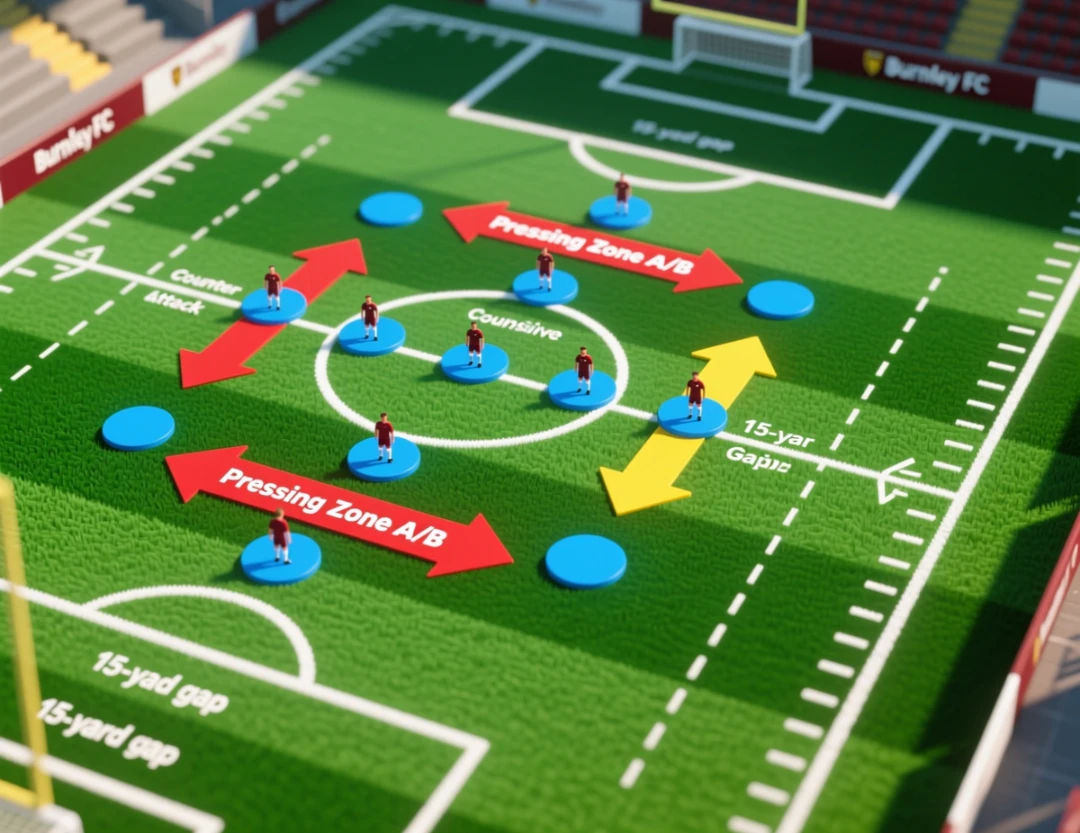
When streaming Burnley matches, ignore the ball. Watch the defensive shape, the gaps between lines, the positioning of Parker on the sideline. When Burnley’s defensive line drops two yards deeper, they’re preparing to absorb pressure then counter. When the gap between defense and midfield exceeds fifteen yards, they’re inviting opponents forward. These visual cues appear minutes before odds adjust.
Statistical feeds provide value only if you know what to track. Possession percentage is worthless for Burnley betting. Pass completion in the final third, however, correlates strongly with scoring probability. When opponents complete fewer than sixty percent of final-third passes over a fifteen-minute period, they score in the next fifteen minutes just seven percent of the time. The market doesn’t track this granular data.
Expected goals (xG) live feeds have become popular but are misunderstood in Burnley’s context. Burnley consistently underperforms xG because they deliberately allow low-quality shots. When the live xG shows opponents at 1.5 while the score remains 0-0, casual bettors pile onto opposition goals. In reality, Burnley has conceded more than 1.5 xG while keeping a clean sheet in thirty-one percent of their matches.
Risk Management in Live Betting
Live betting’s immediacy creates unique psychological pressures that destroy bankroll management discipline. You’ve just watched your under 2.5 bet die to an 89th-minute goal, and there’s another match starting in five minutes. The temptation to chase, to double up, to “get even” becomes overwhelming. This is where most live bettors fail, not in selection but in staking discipline.
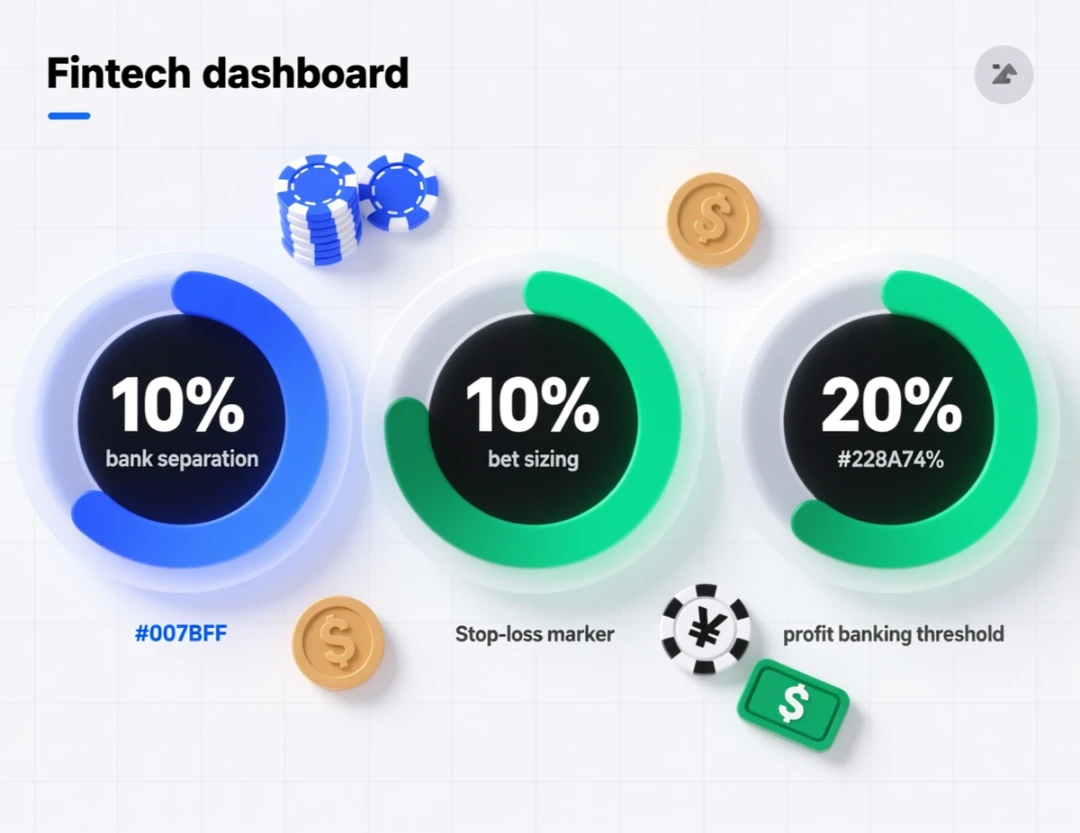
My live betting bank for Burnley matches is completely separate from other betting funds, comprising just 10% of total bankroll. Individual live bets never exceed 2% of this bank, regardless of perceived value. This might seem conservative, but live betting variance exceeds prematch significantly because you’re often betting on shorter time periods with higher randomness.
The session stop-loss is crucial. Before starting any live betting session, I set a maximum loss of 10% of the live bank. Hit that limit, and I’m done for the day, regardless of upcoming fixtures or perceived opportunities. This prevents the catastrophic sessions where frustration leads to increasingly desperate bets. Similarly, if I’m up 20%, I bank half the profits and continue with the original bank plus half winnings.
Avoiding the multi-screen trap is essential for disciplined live betting. Watching four matches simultaneously while trying to spot value across all of them guarantees poor decisions. Focus on one Burnley match, understand its rhythm and flow, and make calculated decisions rather than reactive bets across multiple games.
Monitor the strict championship promotion betting.
Advanced Live Betting Angles
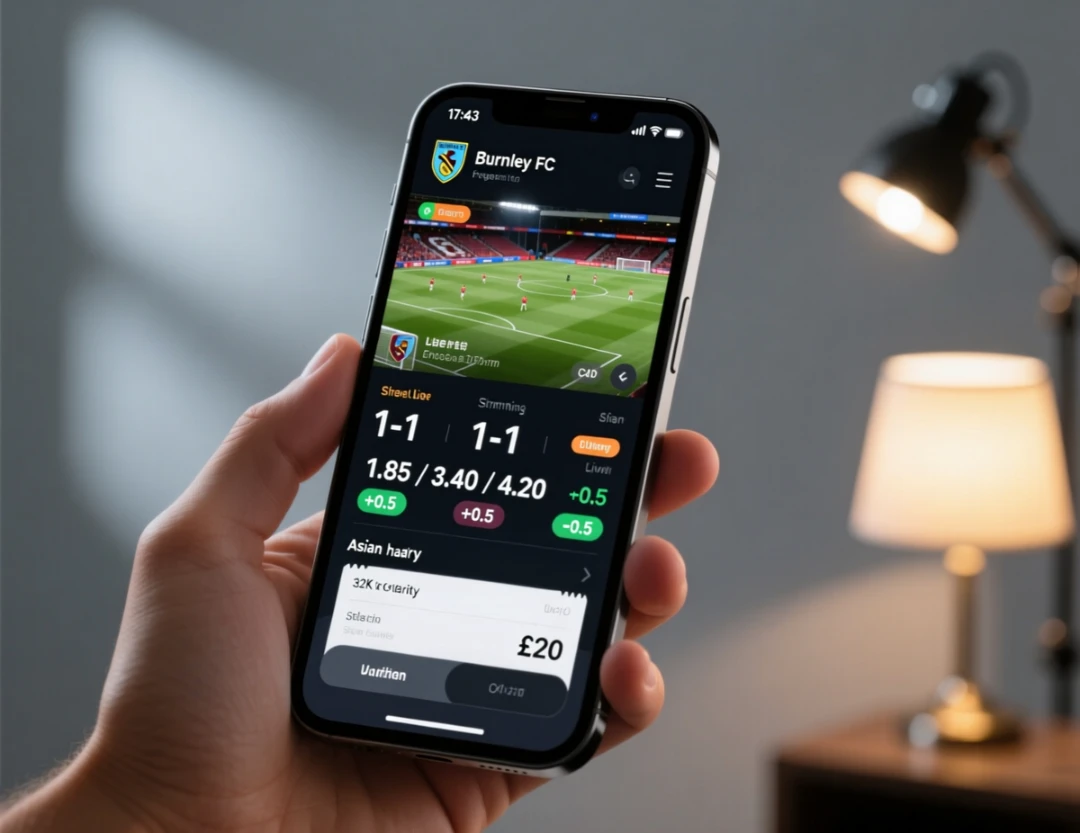
The evolution of live betting markets has created sophisticated opportunities beyond simple match outcomes. Asian handicap movements, minute-specific markets, and combination builders offer edges for those willing to dig deeper than mainstream options.
The Asian handicap live adjustments in Burnley matches consistently misprice game flow. When Burnley trails 1-0 after sixty minutes, they typically receive around +0.5 at 2.10 on the Asian line. But Burnley equalizes in forty-three percent of such situations and wins eleven percent, meaning the +0.5 wins fifty-four percent of the time. The implied probability of 2.10 is just forty-eight percent, creating a six percent edge.
Minute-specific markets offer intriguing angles. “Goal between 75:00-84:59” in Burnley matches typically prices around 3.50 but hits thirty-one percent of the time when the score is level entering that period. The market prices all ten-minute segments similarly, missing Burnley’s specific scoring patterns. The 85:00-FT segment offers even better value at typical odds of 4.00 while hitting thirty-five percent in drawn games.
Hidden value in advanced live markets:
- Asian corners: Burnley -0.5 when trailing (wins 58%, priced at 45%)
- Exact minute ranges: 75-85 consistently underpriced
- Second-half result: Draw offers value when Burnley leads
- Booking minutes: 60-70 sees 41% of cards, priced at 30%
- Shot target bursts: Minutes after subs see spike
The combination builders in live betting create correlation opportunities the algorithms miss. When Burnley leads 1-0 after seventy minutes, combining “Burnley win,” “under 2.5 goals,” and “no goals 70-80 minutes” correlates more strongly than the pricing suggests. All three resolve to Burnley’s defensive approach when protecting leads, but the builder prices them as semi-independent events.
Psychological Mastery for Live Success
The mental game of live betting on Burnley matches differs fundamentally from other betting. You’re not riding emotional waves of attacking football; you’re enduring long periods of nothing while maintaining focus for the crucial moments that determine outcomes. This requires a different psychological approach entirely.
Embracing boredom becomes a weapon. While other bettors lose focus during twenty-minute periods of Burnley passing across their back four, you’re watching for the subtle shifts that precede opportunities. The right-back pushing two yards higher, the defensive midfielder dropping deeper, Parker moving from his technical area—these micro-events signal imminent action.
The confirmation bias trap catches most live bettors. They back under 2.5, spend seventy minutes watching no goals, and become convinced it must finish low-scoring. Then a goal arrives and they panic, either cashing out poorly or doubling down on unders. The key is remembering that each minute is semi-independent; seventy goalless minutes don’t guarantee twenty more.
Developing minute-by-minute discipline separates profitable live bettors from losers. Having specific rules for specific game states removes emotional decision-making. If Burnley trails after seventy minutes, I back them +0.5 Asian handicap. No analysis, no second-guessing, just execution. These predetermined decisions, based on thorough historical analysis, outperform in-the-moment judgments consistently.
The social aspect of live betting can destroy edge. Watching matches in betting shops or with friends leads to peer pressure, bragging, and poor decisions. The number of times I’ve seen someone make a terrible live bet just to have action alongside their mates is countless. Successful live betting on Burnley requires solitary focus, free from social influence.
The future of live betting on teams like Burnley lies in automation and algorithm-assisted decision-making. As markets become more efficient and odds adjust faster, the windows for manual betting shrink. But Burnley’s systematic approach makes them ideal for rule-based betting systems that can execute instantly when specific conditions align. Those who adapt to this evolution while maintaining the discipline and pattern recognition skills developed through manual betting will continue finding edges in live markets. For now, though, Burnley’s plodding, predictable approach to football remains a goldmine for patient, disciplined live bettors willing to profit from the market’s inability to price boredom correctly.
Gain an unbeatable advantage with burnley bet.
