
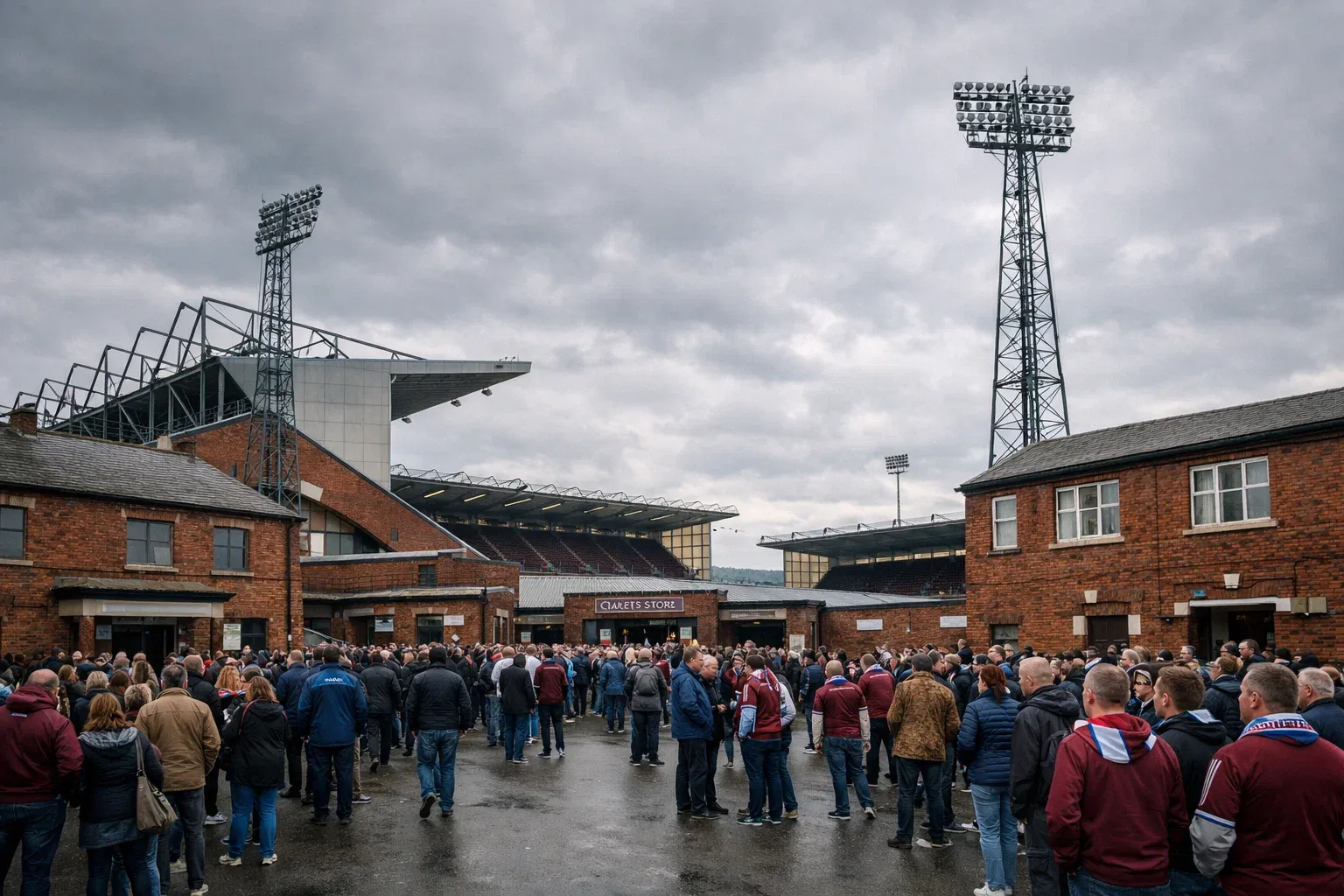
Turf Moor has served as Burnley’s home since 1883, making it one of the longest continuously used football grounds in the world. This Lancashire venue carries historical significance beyond mere longevity; it shapes how visiting teams approach matches and creates statistical patterns that inform betting decisions. This guide examines Turf Moor’s home advantage characteristics, typical scorelines, historical betting performance, and practical applications for those wagering on matches at this distinctive venue.
The Turf Moor Environment
Turf Moor’s current capacity of approximately 21,944 makes it one of the more intimate stadiums in English professional football. The compact setting creates an atmosphere that can intimidate visiting teams, particularly those unused to the intensity of Lancashire crowds. The four stands wrap tightly around the pitch, placing supporters close to the action and generating noise levels that belie the modest capacity.
The stadium’s location in Burnley town centre means visiting fans often encounter the match-day atmosphere long before entering the ground. Local pubs fill with home supporters, streets bustle with anticipation, and the sense of occasion permeates the environment. For teams travelling from more cosmopolitan settings, this provincial intensity represents unfamiliar territory.
Weather conditions at Turf Moor reflect its Pennine fringe location. The ground sits at elevation, exposed to winds sweeping down from the moors that give the stadium its name. Winter matches frequently involve challenging conditions that favour Burnley’s typically physical approach while disrupting the passing patterns of technically-oriented visitors.
The pitch dimensions and surface quality have historically suited direct playing styles. While modern maintenance standards have improved playing surfaces throughout football, Turf Moor retains characteristics that complement Burnley’s tactical preferences. Teams built for possession football often find the venue less accommodating than their home grounds.
Historical Home Performance Patterns
Burnley’s home record has varied significantly across divisions and eras, but certain patterns persist regardless of league status. Under managers who emphasised defensive organisation and physical presence, Turf Moor became particularly difficult for visitors. The Sean Dyche era exemplified this, with Burnley frequently producing home records among the league’s best.
During Burnley’s Championship campaigns, home form typically exceeded away form by margins larger than league average. This home-away differential reflects both tactical approach and environmental factors. Teams travelling to Lancashire in midweek winter fixtures faced challenges beyond the opposition on the pitch.
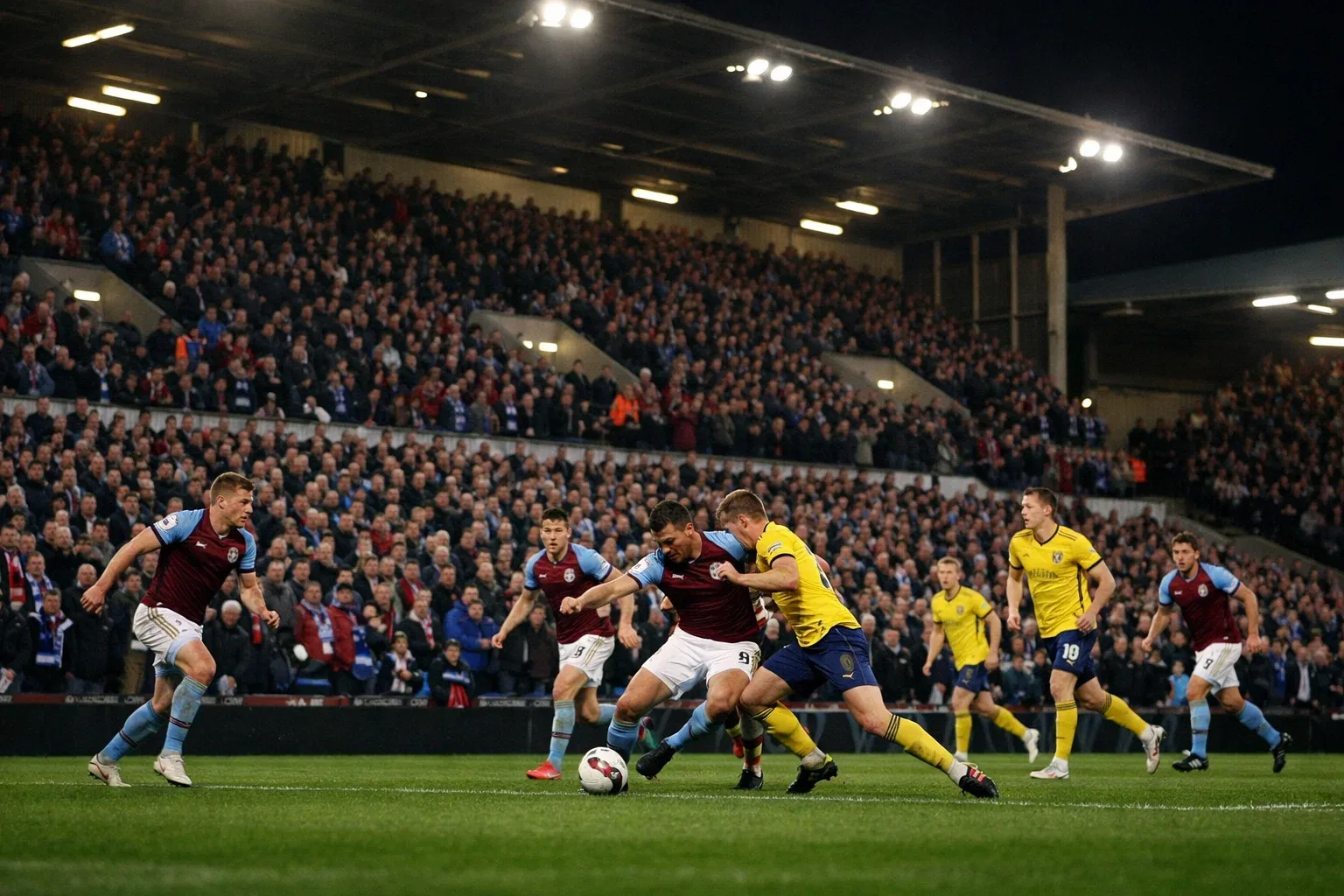
Clean sheet rates at Turf Moor have historically exceeded those achieved on the road. The combination of organised defence, home crowd pressure on referees, and opposition unfamiliarity with the venue creates conditions conducive to shutouts. This pattern has persisted across different managers and squad compositions.
Goal timing at Turf Moor shows interesting patterns. Matches often remain tight into the second half before decisive moments arrive. Whether through home-crowd pressure, opponent fatigue, or tactical adjustments, late goals feature prominently in Turf Moor results. This timing pattern affects in-play betting approaches for those who follow live markets.
Typical Scorelines and Goal Patterns
Low-scoring matches have characterised Turf Moor during most recent eras. During defensive managerial regimes, under 2.5 goals hit rates at home often exceeded 60%, substantially above league averages. Even when Burnley struggled offensively, their defensive structure kept scorelines tight.
The most common Turf Moor scorelines during successful home campaigns have been 1-0 and 2-0 victories. These results reflect matches where Burnley’s defensive organisation frustrated opponents while clinical moments proved decisive. The 3-0 or 4-0 thrashings that occur at some venues happen rarely here; Burnley’s style generally produces controlled rather than emphatic victories.
When Burnley lose at home, narrow defeats predominate. Results of 0-1 or 1-2 occur more frequently than heavy losses, reflecting the defensive floor that organised teams maintain regardless of circumstances. This pattern has implications for handicap betting, where backing Burnley +1.5 at home has often provided value even in matches where outright victory seemed unlikely.
Both teams to score rates at Turf Moor depend heavily on the opposition. Against teams capable of sustained pressure, Burnley’s block eventually concedes chances. Against teams that struggle to create against organised defences, BTTS rates drop significantly. Opposition-specific analysis matters more than blanket BTTS assumptions.
Betting Performance by Market Type
Match result backing at Turf Moor has generally rewarded home support during successful seasons. When Burnley sits in the upper half of their division, home win returns have beaten market expectations. However, during struggling campaigns, the market often overweights historical home advantage, creating value on visitors or draws.
Under goals markets have consistently offered value at Turf Moor across multiple seasons. The combination of defensive approach and tight scorelines means under 2.5 typically exceeds 50% hit rate, often substantially. Under 1.5 markets offer higher odds but require both teams to fail scoring, which happens less reliably.
Draw backing at Turf Moor suits specific contexts. When Burnley faces opponents of similar quality in matches with little tactical incentive for either side to attack, draws become more likely. The venue’s tendency toward low-scoring affairs creates conditions where stalemates occur more frequently than at more open grounds.
Handicap markets require careful consideration of opponent quality. Burnley rarely thrash teams at Turf Moor, so -1.5 handicaps require genuine quality mismatches. Conversely, +1.5 on visitors often carries value because even when Burnley wins, margins tend to be narrow.
Opposition-Specific Considerations
Big six clubs visiting Turf Moor have historically produced varied results. Some seasons see Burnley claim unlikely scalps through defensive resilience and opponent complacency. Other seasons see quality differences eventually tell despite determined resistance. Market pricing on these fixtures often reflects narrative rather than statistical expectation, creating opportunities in both directions.
Mid-table opponents typically produce the tightest Turf Moor matches. Without the pressure of relegation desperation or promotion ambition distorting approaches, these fixtures often become tactical battles with narrow margins. Under markets and draw consideration suit this context.
Newly promoted teams visiting Turf Moor face particular challenges. The step up in quality, combined with an intimidating venue, often overwhelms teams still adjusting to their division. Burnley home wins against promoted opposition have historically provided reliable returns, though market awareness of this pattern has reduced available value.
Teams with similar defensive philosophies create interesting dynamics. When two organised, defensive teams meet at Turf Moor, the match often produces the cagey, low-scoring affairs that suit under betting. Identifying such matchups and backing unders aggressively has generated strong historical returns.
Seasonal and Contextual Factors
Early-season matches at Turf Moor often produce lower-scoring affairs as teams remain defensively cautious while building fitness and form. The first home matches of campaigns frequently see tight scorelines as new signings integrate and tactical approaches solidify.
Winter fixtures bring weather factors into play. December through February matches at Turf Moor frequently involve difficult conditions that reduce goal expectation. Teams travelling from the south face climate adjustment alongside the competitive challenge, compounding away disadvantages.
Late-season context dramatically affects Turf Moor patterns. When Burnley needs points for promotion, playoff qualification, or survival, the intensity increases and results become harder to predict. Conversely, dead-rubber fixtures late in seasons see reduced atmosphere and more open, less predictable matches.
Cup competitions at Turf Moor produce different patterns than league fixtures. Opponents often approach cup ties differently, rotation affects team quality, and the knockout nature changes risk-reward calculations. Historical league patterns apply less reliably to cup betting at this venue.
Practical Betting Applications
For under goals betting, Turf Moor remains a reliable venue across most contexts. Backing under 2.5 in matches involving defensive teams, early-season fixtures, or winter matches has provided consistent value. Build Turf Moor unders into systematic betting approaches rather than treating each match independently.
Home win backing requires selectivity. When Burnley’s form suggests they’re competitive for league objectives and facing beatable opposition, home wins offer value. When struggling or facing superior opponents, the market’s historical home advantage weighting creates value on alternatives.
Handicap approaches should reflect Turf Moor’s tendency toward narrow margins. Avoid ambitious negative handicaps on Burnley; favour either modest lines or positive handicaps on visitors who might keep scorelines respectable despite losing.
In-play betting at Turf Moor rewards patience. Matches often remain goalless or tied longer than at more open venues. Waiting for odds to drift before backing home outcomes, or taking early unders positions that become more attractive as goalless time accumulates, suits the venue’s patterns.
Data Sources and Tracking
Building Turf Moor-specific analysis requires tracking venue-specific statistics over time. Record not just results but goal timings, shot patterns, and market performance for matches at this ground. Over multiple seasons, this venue-specific database enables analysis impossible from aggregate figures alone.
Compare Turf Moor performance against Burnley’s away record to quantify their home advantage magnitude. When the gap is large, factor this into home-match assessments. When the gap narrows, question whether historical home advantage assumptions still apply.
Cross-reference your analysis with bookmaker pricing to identify when markets underweight or overweight Turf Moor factors. Value emerges from the gap between your venue-informed assessment and market consensus, not from either analysis in isolation.
Turf Moor’s distinctive character makes venue-specific analysis worthwhile for serious bettors. The combination of atmospheric intensity, tactical tendencies, and environmental factors creates patterns that generic league-wide analysis misses. Those who invest in understanding this particular ground gain advantages over those who treat it like any other venue.